
Why do people gamble? Unpacking the allure of risk and reward
The Thrill of Uncertainty
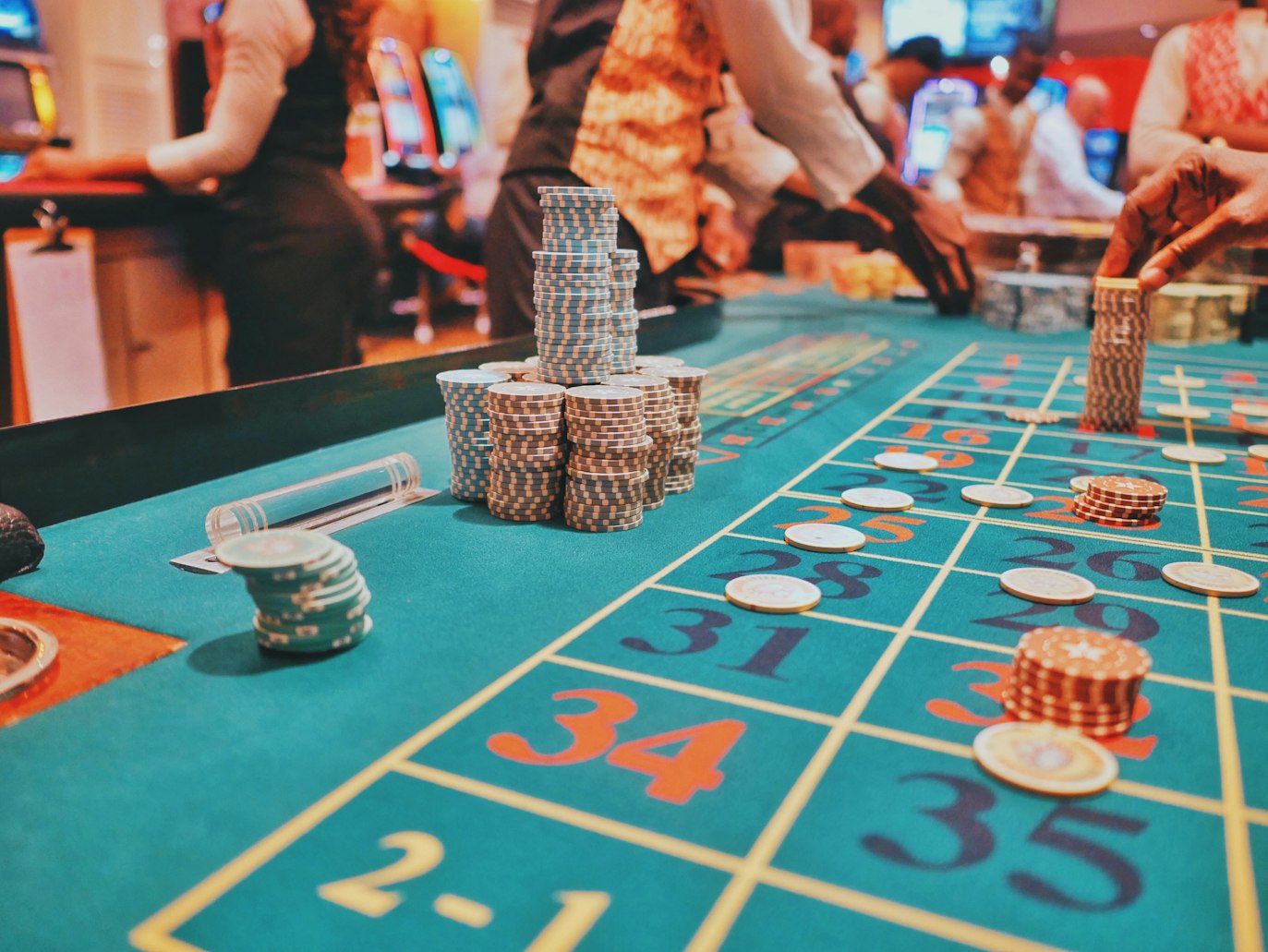
At the core of gambling lies a seductive attraction to unpredictability. The tension that arises from wagering money on an uncertain outcome can ignite excitement akin to a rollercoaster ride. Whether it’s a high-stakes poker game or a quick round on a plinko slot, the mere act of gambling offers an adrenaline rush that many find hard to resist. This initial thrill is often amplified by the inherent nature of risk, where the potential for loss coexists with the chance for gain.
This thrill is not just about the outcome; it’s about the journey. Many gamblers enjoy the experience itself, replete with anticipation and strategic thinking. It cultivates an environment where individuals feel alive, engaging their skills in decision-making and often leading to a heightened sense of self-efficacy. However, it is essential to recognize that this allure can sometimes cloud judgment, making it difficult to gauge when the thrill becomes dangerously addictive.
The Illusion of Control
Another compelling reason people are drawn to gambling is the illusion of control. Gamblers often believe they possess the skills or insight to influence outcomes, especially in games that involve an element of strategy, such as poker. This belief can be very empowering, creating a sense of mastery and, subsequently, more engagement with the gambling experience. In other words, players convince themselves that their decisions can turn the tide, even when the odds are mathematically stacked against them.
This perceived control can lead to a cycle of gambling behavior where players chase losses or overestimate their ability to win. These misconceptions can be misleading and are part of what many experts refer to as cognitive biases. Players frequently recall their wins more vividly than their losses, further reinforcing a false sense of security that keeps them returning to the tables or machines.
Social Bonds and Community
Gambling isn’t just an individual endeavor, but often a social activity that fosters community. Many are drawn to casinos or online platforms not solely for the chance to win, but also for the camaraderie and shared experiences. Engaging in coordinated activities—whether placing bets together during a sporting event or discussing strategies at a poker table—creates social interactions that enhance the appeal of gambling.

Coping Mechanism for Stress
In today’s fast-paced world, many individuals seek ways to escape their everyday stresses and gambling can serve as a temporary reprieve. For some, placing a bet may feel like a brief vacation from reality, providing an avenue to forget about personal or financial problems. The excitement of gambling can trigger the release of dopamine, a neurotransmitter associated with pleasure, creating a cycle of addiction that can become increasingly difficult to manage.
This coping mechanism can lead to a dangerous path where gambling is used as an emotional crutch. While it may provide relief in the moment, it can contribute to larger problems over time, including financial distress and strained relationships. Understanding this relationship between stress and gambling can be crucial for individuals who are trying to confront their gambling behaviors.
Exploring Resources for Responsible Gaming
Given the complexities surrounding why people gamble, it’s imperative to establish resources that promote responsible gaming. Websites and organizations dedicated to providing useful information about gambling and its risks play a vital role in creating a healthier gambling culture. They offer insights into safe practices, self-assessment tools, and resources for those who may be struggling with gambling addiction.
By fostering awareness and supporting individuals in making informed choices, these resources aim to counteract the darker sides of gambling. Platforms that encourage responsible gaming create an environment where excitement can coexist with safety, making it possible to enjoy the thrill without compromising one’s well-being.